
Fairmont Schools experimenting with farmland integration into education
“This is something that not every school can have. We plant it, take care of it, maintain it,” - Nick Pease, FHS ag teacher
Trending
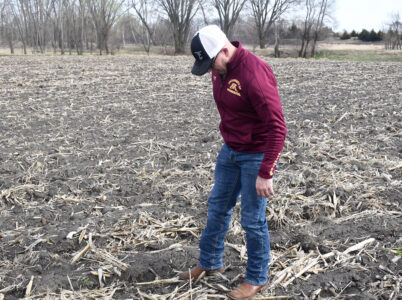
FAIRMONT - With 9.5 acres of land, known as the Hunt Farm, just outside of Fairmont, the Fairmont school district is finding ways to provide hands-on education for students.
The property was donated to the district in 1990. The original donation was 125 acres of land, of which 116 acres were sold for $1.29 million in Dec. 2023. The money was put into the Hunt Farm Trust Fund for scholarships and educational opportunities. Soon after that, students started working with a section of land with a class in precision farming.
Fairmont High School ag teacher Nick Pease said student interest is an important piece of the puzzle for best utilization.
"If we don’t know if students are in the class, can’t exactly have the class," he said. "They’ve used this for ag business. Kids understand a little bit about marketing, sales, cost, inputs, outputs, all that and integrate into classes out there. That’s what we have been going for as a program with it."
The farmland is actively used for planting and growing corn or soybeans, depending on the year. Pease said further integration of students into those processes, like picking what seed to use, faces some snags.
"That’s more of an advanced thing," he said. "Very cut and dry with farming. You got to deal with what type of seed grows very well on this plot of land. We have had kids come out here, we do soil samples. If we have to do rock picking, we’ll do that when it comes time to harvest. We’ve had kids come out here to witness that when it comes time for planting."
Fall is the most common time they bring out students to learn from the land. Pease said there are multiple reasons fall is more popular than spring.
"It’s drier," he said. "In spring, it’s just so volatile. With our FFA kids, so many of them are in sports and stuff, that just to get them here after school within a decent time, it’s very hard to do. We could probably do it somewhat during the day. You have to know what your timing is so that kids are able to do it right in between classes."
Regarding student interest in general, it is lower than they would like to increase hands-on experiences. Pease said changes in the student population are a big part of this.
"We don’t have much for farm kids anymore," he said. "When I was in high school, we had a lot more. That’s 26 years ago. Demographics have changed. Farm sizes are getting larger, with fewer families on them. It’s a tough match because you don’t have kids farming with dad anymore. It’s what happens, probably the natural role of it."
Besides the farmland, Pease said there is some forest land that could also be used in the future for programs like fish and wildlife identification practice.
Looking forward, Pease said they're looking to strive for a happy medium regarding management and classes the farmland can be integrated more into.
"We’re very fortunate to have this," he said. "This is something that not every school can have. We plant it, take care of it, maintain it, and the better we take care of it, the better it produces."