
Wild parsnip spreading in Martin County
Trending
FAIRMONT - With the rain and heat that have cycled through Martin County this summer, a potentially dangerous noxious weed called wild parsnip has increased its foothold in the area.
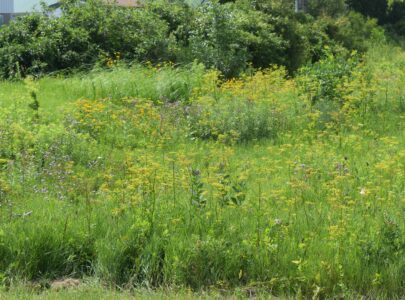
The plant can grow up to six feet tall and can be seen by the yellow, flat flowers that cluster at the top. It spreads via its seeds, which can remain viable for several years.
Consumption of the plant by animals, such as cows, can negatively impact their health. To humans, touching wild parsnip causes severe rashes, blisters and discoloration of the skin, which can require medical attention.
Fairmont Forester Cody Benschoter said wild parsnip has been in spots of the city for a few years now, but it has gotten worse as the years go on.
"We know most of the trouble spots," he said. "We’ve been spraying, and we do the mowing and monitoring it, but if you get a year where it’s too wet and you can’t get into an area to mow, it just makes it so much harder. It’s a biannual plant, so the seed sits in the soil a lot longer. It takes a few years to manage it and really get rid of it."
Looking outside Fairmont too, Benschoter said the extent of the growth can be seen.
"If you drive from here to Mankato and you look in the ditch, it’s the whole way. There’s a lot of it out there right now. The seed can last a couple years in the soil and then germinate. You’re trying to keep the stuff from seeding out now, and then you’re trying to catch up with the stuff that’s already been seeded out. Once an area starts going, it balloons really fast."
Right now, Benschoter said the main focus is dealing with it in recreational spots in Fairmont, which he said the spot there is some right now is Cedar Creek Park. Next is dealing with it in areas with less-trafficked areas, such as the old railroad track bed from Winnebago Avenue to 10th Street.
Work is ongoing to manage this problem in the city, and a plan is in place.
"I got all these maps made of spots we didn’t even really ever look at before," Benschoter said. "I’m going to manage it and check it once a month and make sure. Once we get everything mowed down, after the heads flower out, it shouldn’t come back this year. The roots spent most of its energy."
From there, Benschoter said they are looking to get more spraying and mowing done next year so the problem can be further contained.
Kate Rosenberg, who has been a Master Gardener since completing her training in 1991, had been tracking the wild parsnip and reporting as it crept across Faribault County over the past 10 years.
"I saw a patch on County Road 26 a mile inside of Martin County," she said. "It had crept that far. I drove through McDonald’s to get some iced tea with my daughter [last week], and saw some kids walking across the grass at the drive-through, and they were walking right past a patch."
Acting quickly, she notified the restaurant, the city, the county, and cattle rancher John Thate, who owns land for his cattle to graze near the McDonald’s, of this patch and its close proximity. The patch has now been taken care of.
The biggest thing Rosenberg said she is concerned about is the lack of awareness regarding wild parsnip's danger and appearance.
"People aren’t looking for it," she said. "A thistle is gonna hurt you, but wild parsnip, most people don’t know what it is. They have little kids running around the parks and along the creeks. They need to know that they can’t let their kids run through tall weeds with yellow tops on them, because they’re going to end up with blisters, and they could end up in the hospital."
On top of that, Rosenberg said it can end up in baled hay and hurt feeding animals. Those unaware may also try to burn it once it is removed to get rid of it, but Rosenberg said the inhaled smoke can create the same blistering effects, but in your lungs.
Martin County Planning and Zoning Technician Scott Christenson said anyone can file noxious weed complaints on land outside city limits, including wild parsnip, with the county, which will then follow up with landowners or local inspectors to take care of the situation.
"Usually, it’s just the informal notice from the county if we receive a complaint to either control or eradicate the plant," he said. "Largely after that, voluntary compliance. There are processes in place by statute to escalate, but as long as I’ve been here, that’s never happened."
So far, Christenson said they have not received any complaints regarding wild parsnip, but complaints regarding any noxious weeds in the county can be sent in by calling the Planning and Zoning office at (507) 238-3997.
For city instances of wild parsnip, contact Cody Benschoter at 507-238-3914.