SPEC addresses staff shortage
FAIRMONT– Southern Plains Education Cooperative (SPEC), the five district cooperative that provides special education services to students in Martin County, has formed a new committee aimed at improving teacher retention and recruitment amid a worsening teacher shortage.
The four-person committee is made up of three special education coordinators and one instructional coach and is trying to, through improved recruitment efforts, expand teacher training and highlight the accomplishments of new teachers every month.
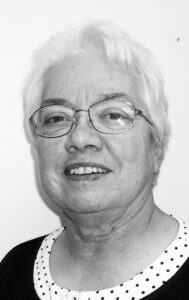
Deb Bertram is SPEC’s coordinator for the United South Central School District, which includes a large portion of Faribault County.
“Somebody needs to do it; I’m (retiring), who’s taking my place? I spent 30 some years pouring my heart into my students and they really need teachers,” said Bertram.
A January report from the Minnesota Professional Educator Licensing and Standards Board noted that 84 percent of Minnesota school districts said they were understaffed, an increase from 70 percent in 2021. A lack of qualified candidates means more than half of SPEC’s new teachers haven’t been properly trained at the start of their time with the cooperative. Only 37 percent of SPEC’s recent teacher hires are licensed with the remaining 63 percent coming in with little to no prior teaching experience.
Bertram highlighted employee burnout and an aging workforce in education as two factors that contribute to the worker shortage.
“There have been a lot of teachers that are really burnt out and have left the profession for one reason or another, there’s also a shortage of my generation; we’re all starting to retire and people are not choosing to go into teaching,” said Bertram.
“It really makes you sad to know there used to be hundreds of applicants for one position and now you’re lucky to get one or two,” said Jill Grensteiner, the instructional coach on the committee.
As a result the committee is ramping up its training programs as well as making Martin and Faribault Counties more attractive to special education teachers.
“A lot of those things we can’t control, but something we can do is provide as much support as possible and it’s something I’m really proud of,” said Kellie Fischer, SPEC’s coordinator for Fairmont Elementary School and early childhood special education.
Incoming teachers at SPEC undergo two years of educational training within two courses, one for first year teachers, which is held once a month, and another for second year teachers, which is held four times a year. Within these classes they work with an instructor and peer mentors. Once both classes have been completed teachers continue to work with their area coordinators who assist with any other problems they’re experiencing.
One strategy the cooperative has enacted is providing more help for teachers creating their curriculum.
“So far the greatest successes for the cooperative in the last couple of years has been finding research and evidence based curriculum and using that to help our kids. When you have something that is research-based it takes away that extra prep time,” said Grensteiner.
Another area of instruction involves helping teachers cope with the stresses of their work and improve time management.
“The reality is sometimes the difficulty of the job hits them so we’ll dig into more of those organizational pieces; how do I do it all and still maintain family life and personal time,” said Bertram.
SPEC is also trying to highlight the accomplishments of new teachers by presenting an award to one each month.
Because the committee works with a small number of teachers and was formed earlier during the current school year, it’s difficult to assess its efficacy at this time, but based on current data SPEC has cut teacher turnover in half compared to last year. During the 2021-2022 school year SPEC had an 80 percent retention rate among new teachers while this year retention is currently at 91 percent.